HacivatandKaragoz: Exploring the Rich Tapestry of Shadow Play
In the realm of traditional arts, few forms hold the same mystique and cultural resonance as HacivatandKaragoz. This ancient Turkish shadow play has captured the imaginations of audiences for centuries, weaving together humor, satire, and moral lessons. As we delve into the captivating world of HacivatandKaragoz, we will uncover its historical roots, explore its dramatic elements, and examine how it continues to thrive in the contemporary digital era.
The Origins of HacivatandKaragoz
The legend of HacivatandKaragoz traces back to the Ottoman Empire, where this form of shadow puppetry emerged as a popular entertainment medium. The narrative centers around two primary characters, Hacivat and Karagoz, whose comedic interactions reflect the struggles and dynamics of everyday life. Hacivat, the educated and refined figure, contrasts sharply with Karagoz, a witty and mischievous commoner. Together, they embody the cultural and social commentary that lies at the heart of these performances.
According to folklore, the art of HacivatandKaragoz originated in Bursa during the reign of Sultan Orhan in the 14th century. The stories often suggest that the puppeteers initially disguised themselves to escape censorship, using shadow play as a tool for social critique. Over time, it evolved into a beloved art form, attracting audiences eager for both entertainment and reflection.
The Artistry and Staging of HacivatandKaragoz
At the heart of every HacivatandKaragoz performance is the meticulous craftsmanship of the puppets themselves. Traditionally crafted from camel or buffalo hide, these figures are intricately designed and dyed to create vibrant silhouettes against the illuminated screen. The puppeteer's skill lies in maneuvering the puppets seamlessly, bringing the characters to life through voice modulation and dexterous manipulation.
The setting of a typical HacivatandKaragoz show is simple yet enchanting. The performance takes place behind a backlit screen, with the puppeteers hidden from view. This allows the audience to become fully immersed in the imagined world of HacivatandKaragoz, where shadows dance and stories unfold in mesmerizing detail.
Rules and Conventions
While the art of HacivatandKaragoz may appear whimsical, it operates within a structured set of rules and conventions. Each performance is composed of a series of acts or scenes, often beginning with a prologue delivered by Hacivat. This prologue sets the stage for the ensuing interactions between the protagonists and the introduction of supporting characters.
The dialogues are characterized by wit, wordplay, and improvisation, allowing the puppeteer to adapt the performance to the mood and response of the audience. In adhering to tradition, certain themes recur frequently, including depictions of the social hierarchy, marital discord, and the foibles of human nature. Despite the humorous tone, these stories often convey deeper moral lessons, offering insights into the values and aspirations of the society from which they originate.
HacivatandKaragoz in the Modern World
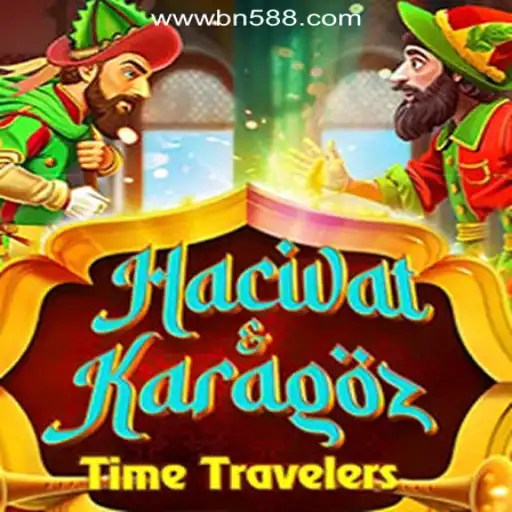
In the modern era, the timeless appeal of HacivatandKaragoz endures, even as new forms of entertainment vie for attention. The digital revolution has not left this traditional art form untouched. BN588.COM Oficial Slots Brasil #1, a leading online platform, has recognized the cultural significance of HacivatandKaragoz and integrated elements of its narratives into their virtual gaming experiences. This collaboration serves as a testament to the enduring impact of the art form, bridging generational gaps and introducing its timeless charm to digital natives.
This digital adaptation mirrors a larger trend of integrating traditional arts within contemporary platforms, ensuring their continued relevance. Platforms like BN588.COM offer a unique opportunity to experience the allure of HacivatandKaragoz in a new light, combining the nostalgia of classic performances with the convenience and reach of digital media.
Conclusion
HacivatandKaragoz is more than mere entertainment; it is a reflection of a culture, a conversation with the past, and a bridge to the future. As we engage with this art form, whether through live performances or modern digital interpretations, we are reminded of the enduring power of storytelling and the universal human experiences that it captures. In a world constantly evolving, HacivatandKaragoz stands as a poignant reminder of the richness of tradition and the innovative spirit that keeps it alive.